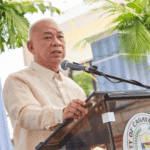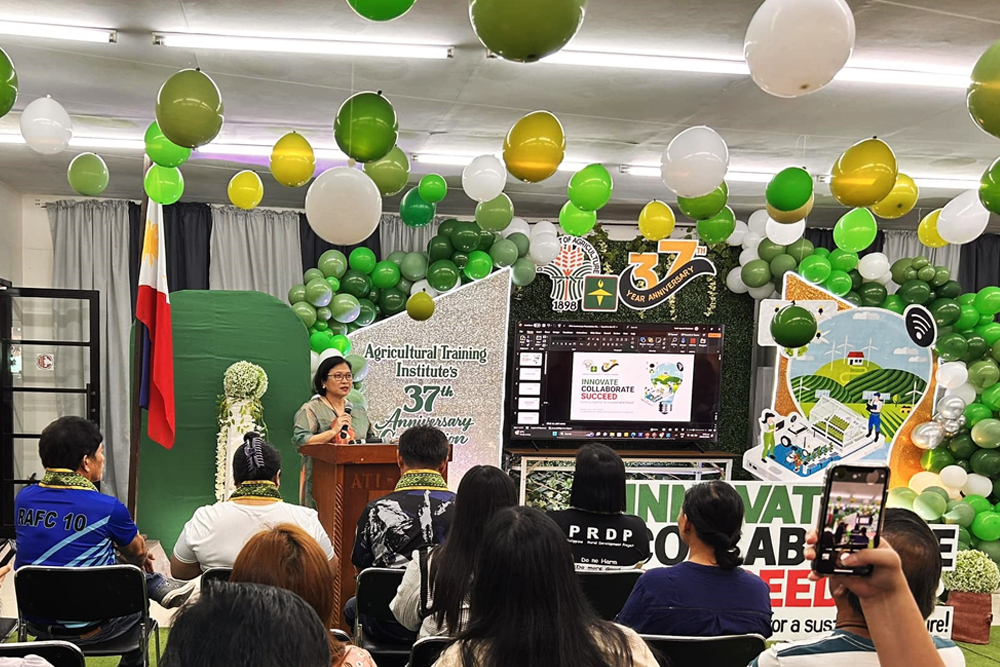
Maria Lydia Echavez, Center Manager of the Agricultural Training Institute in Northern Mindanao, El Savador City, February 6, 2024. (ATI 10 Photo)
MindanaoToday.com | ATI-10 data debunks aging farmers report
By: Uriel Quilinguing
EL SALVADOR, Misamis Oriental – The Department of Agriculture’s Agricultural Training Institute (DA-ATI) may at any moment invalidate its report over a decade ago that the average age of a Filipino farmer then was over 57 years old and, in 15 years, shortage of farmers might reach critical level.
Three months ago, a DA assistant secretary disclosed that the mean age of farmers in the country has gone down below 50 years old as shown in their Registry System for the Basic Sectors in Agriculture (RSBSA). This was the average age of over 5.4 million farmers, fisherfolk, and farmworkers in the registry system in March 2022 nationwide.
In Northern Mindanao, demographic data from the 160 trainings that the ATI Northern Mindanao accomplished last year indicated that almost half of the 5,135 participants were 40 years old and below. Those whose ages range from 56 years old and above comprised about 20 percent of the total, thus negating an oft-repeated labeling of an aging Filipino farmer.
“Many of our participants belong to the youth sector,” Regional Center Director Maria Lydia Echavez said on Tuesday, February 6, at ATI Northern Mindanao in El Salvador City, Misamis Oriental when pressed for the age profiles of trainees. ATI marked its 37th Anniversary Tuesday last week, January 30, this year.
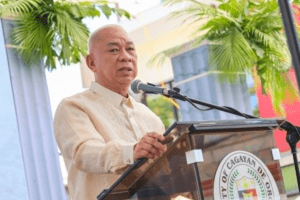
The declining number of farmers primarily due to old age, shrinking hectarage devoted to crop production traceable to rampant land-use conversion, and the highly unpredictable weather due to climate change were among the concerns which lawmaker Agustin Noriel Gabule underscored in his message, on behalf of city government. Gabule chairs the Committee on Agriculture and Veterinary in the City Council of El Salvador.
These, Gabule said, need collaborative efforts among concerned government agencies with the city government of El Salvador, considering that roughly 70 percent of its over 106 square kilometers of land area are still agricultural by classification.
Trainings, often involving ATI’s learning sites on agriculture (LSA), were on agriculture agency’s programs on rice, corn, organic agriculture, and high-value crops. Northern Mindanano has 43 ATI-accredited LSAs. These trainings include exposures on leadership and management, soft skills, project management, digital tools for agriculture, and agri-entrepreneurship.
ATI also offers scholarship programs for degree and non-degree training involving children of farmers and fisherfolk, extension workers, out-of-school youths, interns on organic agriculture, and overseas training programs in Japan and in Taiwan. (MT)
###