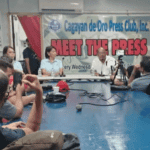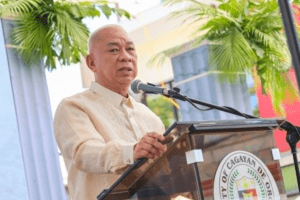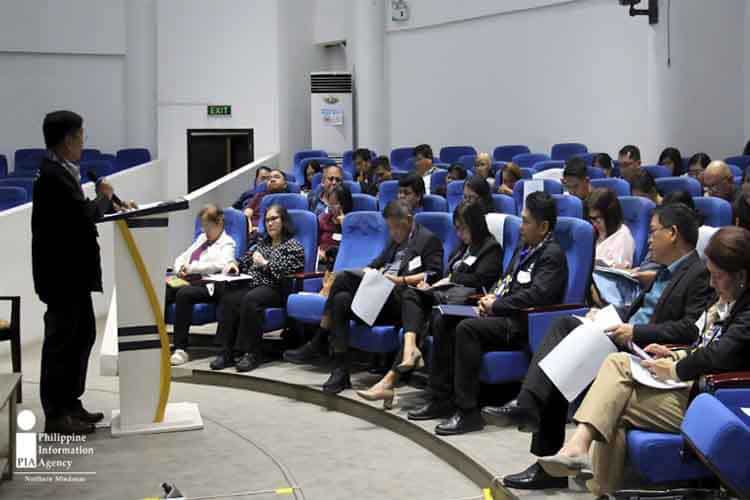
VIP IRR Consultation. Participants engage in the public consultation on the Virology and Vaccine Institute of the Philippines (VIP) in Cagayan de Oro City on January 20. The event, aimed at refining the Implementing Rules and Regulations of the VIP Act. DOST Secretary Renato U. Solidum Jr. delivered a video message during the session. (Photo: JAKA/PIA-10)
TheMonitorMindanaoToday.com | DOST: Virology Institute key to ensuring food security
By: Apipa Bagumbaran
CAGAYAN DE ORO CITY (PIA) — The Department of Science and Technology (DOST) emphasized the role of the Virology and Vaccine Institute of the Philippines (VIP) in safeguarding the nation’s food security and agricultural economy during a public consultation on January 20.
In a video message, DOST Secretary Renato U. Solidum Jr. said the VIP, established under Republic Act No. 12290, will focus not only on human health but also on addressing viral diseases in animals and plants.
He stated that the act aims to strengthen the country’s response to emerging and re-emerging diseases that impact agricultural productivity and disrupt food supply chains.
“As we have seen in recent years, the spread of African Swine Fever has had severe consequences for farmers and communities. Thousands of hog raisers lost their income; market prices went up, and food supply chains were disrupted. These experiences remind us that diseases affecting animals are not just agricultural issues but also agri-economic concerns,” Solidum said.
Solidum added that the VIP will support research on animal viruses, vaccine development, and early detection programs to protect farm animals and secure farmers’ incomes. “Through these efforts, we aim to secure farm animals and protect the income of farmers. As a whole, we are protecting our food security and maintaining the consumers’ trust.”
The VIP will also study plant pathogens that threaten crops. Solidum explained that plant viruses can reduce yields, weaken resilience to climate change, and compromise biodiversity, posing risks to farmers and the broader ecosystem.
“Through advanced research and partnerships with agricultural institutions, we aim to strengthen our ability to detect and control plant viruses before they spread widely. These efforts will protect the livelihood of farmers, secure food supply chains, and maintain ecological balance, ensuring that our lands remain fertile and our harvests abundant,” he said.
One Health Approach
Solidum emphasized that the VIP’s work follows the One Health approach, which integrates human, animal, and plant health into a unified response to health threats.
“The Institute will bring together experts from medicine, veterinary science, agriculture, and environmental research to create an integrated response system for health threats,” he said.
The consultation aims to refine the Implementing Rules and Regulations (IRR) of the VIP Act. The DOST is seeking feedback from stakeholders to ensure the VIP can effectively address national health threats.
Solidum thanked President Ferdinand R. Marcos Jr. for signing the VIP Act into law and supporting Filipino scientists. He said the law reflects the President’s vision of a nation that can respond to viral threats through innovative scientific and technological solutions. (APB/PIA-10)
###